
Guangzhou A.C.T Products Co.,Ltd To Make The Global Delivery More Efficient
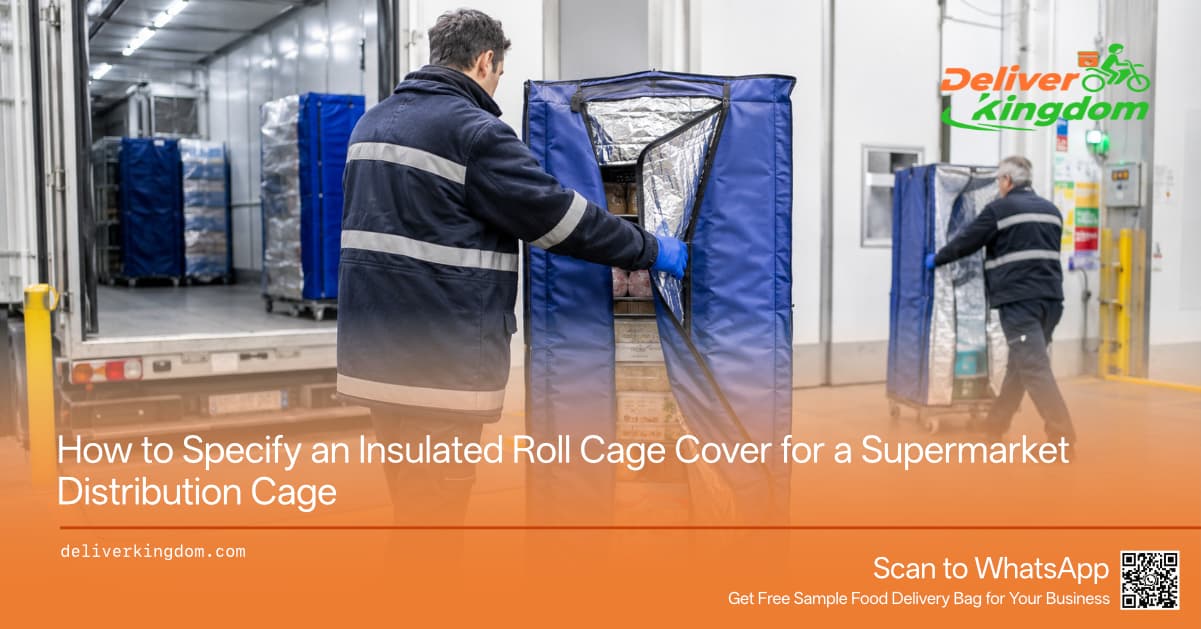
Распределительный центр супермаркета редко делает крупный заказ на изотермические чехлы, основываясь только на фотографиях продукции. Чехол может выглядеть подходящим на веб-сайте, но реальные вопросы возникают, когда он попадает на склад. Легко ли он надевается на роликовый контейнер, не застревая? Могут ли работники быстро открыть его в перчатках? Совпадает ли положение молнии с дверцей контейнера? Останется ли нижняя часть защищенной, когда контейнер проезжает по погрузочным рампам, доковым плитам и неровному полу?
Недавний запрос от распределительного центра супермаркета в Юго-Восточной Азии последовал этому практическому подходу. Покупателю потребовались два изотермических чехла для роликовых контейнеров для эксплуатационных испытаний, прежде чем рассматривать более широкую программу закупок. Роликовый контейнер имел размеры примерно 660 мм в ширину, 830 мм в длину и 1901 мм в высоту. Пробные единицы должны были использоваться в реальном процессе дистрибуции охлажденных продуктов, а не демонстрироваться в конференц-зале, где каждый продукт ведет себя идеально.
Начало с двух образцов — это разумный способ оценить индивидуальный изотермический чехол для роликового контейнера. Один экземпляр можно протестировать на обычном маршруте, а второй использовать для сравнения, в качестве резервного или для других условий погрузки. Складская команда может проверить посадку, удобство обращения, термостабильность, чистку, доступ через молнию и износ ткани перед утверждением более крупного заказа.
Такой тип испытаний также дает производителю полезную обратную связь. На чертеже размеры контейнера могут быть видны четко, но работники позже могут обнаружить, что сверху нужно больше зазора, передний клапан должен открываться с другой стороны или нижний край находится слишком близко к колесам. Испытание двух единиц позволяет исправить эти детали до того, как будут произведены сотни или тысячи чехлов.
Для термочехла для роликового контейнера, используемого в дистрибуции супермаркетов, тестирование образцов — это не задержка. Это часть процесса разработки продукта. Несколько тщательных корректировок на этапе испытаний могут предотвратить появление очень дорогой коллекции красиво напечатанных чехлов, которые не подходят к оборудованию должным образом.
Первый вопрос многих покупателей заключается в том, подойдет ли стандартный изотермический чехол для их существующего роликового контейнера. Иногда ответ — да. Иногда кажется, что да, пока чехол не наденут на контейнер и нижняя часть не останется на 40 мм выше основания.
Контейнер размером 660 × 830 × 1901 мм близок к некоторым распространенным форматам логистических контейнеров, но высота достаточно специфична, чтобы ее нужно было тщательно проверить. Два контейнера, описанные как имеющие одинаковый номинальный размер, все равно могут различаться по конструкции верхней рамы, расположению роликов, внешним ручкам, шарнирным конструкциям, форме дверцы и величине полезного зазора вокруг рамы.
По этой причине производитель изотермических чехлов для тележек-контейнеров не должен сразу обещать, что стандартный чехол идеально подойдет, не изучив дополнительную информацию. Стандартный эталонный образец может быть доступен, но производитель должен сравнить его готовые внутренние размеры с фактическими внешними размерами контейнера. Толщина изоляции и способ изготовления швов также уменьшают полезное внутреннее пространство.
Индивидуальному изотермическому чехлу для роликового контейнера обычно требуется небольшой допуск на посадку. Слишком маленький допуск затрудняет установку и снятие чехла. Он может цепляться за углы, петли или металлические прутья. Слишком большой допуск создает свободную ткань, большие воздушные зазоры и менее аккуратный вид. Излишки материала также могут попасть в колеса или волочиться по полу.
Поэтому правильное решение — это не просто выбор между «стандартным» и «индивидуальным». Лучше задаться вопросом, был ли существующий чехол проверен по чертежу контейнера, фотографиям и ключевым конструктивным деталям. Если посадка вызывает сомнения, безопаснее заказать образец с измененным размером.
DeliverKingdom может изучить размеры роликового контейнера, фотографии продукта, положение дверцы, расположение роликов и требуемое направление открывания перед производством образца. Основанная в 2013 году, компания DeliverKingdom управляет производственным объектом площадью более 12 000 квадратных метров в Янчуне, провинция Гуандун, где более 400 работников поддерживают проекты по изотермической доставке и упаковке для холодовой цепи.
Цель не в том, чтобы заявить, что один стандартный чехол подходит для каждого контейнера. Цель — убедиться, что пробный чехол действительно работает, когда складской персонал надевает его на оборудование.
Ширина, длина и высота — это отправная точка, но это не полная спецификация.
Для роликового контейнера размером 660 мм в ширину, 830 мм в длину и 1901 мм в высоту покупатель должен сначала подтвердить, являются ли это максимальными внешними размерами. Иногда указанная ширина измеряет только металлическую корзину, в то время как колеса, ручки или шарнирные детали выступают дальше. В других случаях высота включает роликовые колеса, но чехол должен заканчиваться над ними. Эта разница меняет готовую длину чехла.
Конструкция проема также влияет на размер. Если передняя панель должна полностью расстегиваться и сворачиваться вверх, производитель должен знать, где начинается и заканчивается дверца контейнера. Если работникам нужен доступ с двух сторон, одного переднего проема может быть недостаточно. Верхний клапан, боковой доступ или конструкция с раздельной дверцей могут быть более практичными в зависимости от того, как загружается контейнер.
Индивидуальный изотермический чехол для роликового контейнера также должен учитывать толщину изоляции. Многослойные материалы занимают больше места, чем простой пылезащитный чехол. Когда внешняя ткань, пеноматериал, светоотражающая подкладка, швы и окантовка собраны вместе, готовые внутренние размеры становятся меньше, чем размеры при раскрое в плоском виде. Вот почему прямое копирование размеров контейнера в производственный заказ может привести к созданию чехла, который технически соответствует цифрам, но сидит слишком плотно.
Перед производством образца полезная информация включает полные фотографии контейнера, виды спереди и сбоку, направление открывания дверцы, положение колес, форму верхней рамы, положение ручек и ожидаемую высоту загрузки. Короткое видео, на котором работники используют контейнер, может показать еще больше. Оно может показать, что персонал часто тянет контейнер с одной стороны, нуждается в доступе, не снимая чехол полностью, или проталкивает контейнер через узкие двери холодильных камер.
Для термочехла для роликового контейнера, используемого в дистрибуции супермаркетов, эти эксплуатационные детали важнее декоративных особенностей. Правильно расположенная молния может сэкономить время при каждом цикле погрузки. Правильно измеренный нижний край может предотвратить повреждение ткани. Надлежащий зазор позволит одному работнику установить чехол, не натягивая его силой на раму.
DeliverKingdom поддерживает разработку индивидуальных размеров, конструкций проемов, положений молний, комбинаций тканей, внутренней подкладки и толщины изоляции. Этот подход превращает запрос на общие размеры в продукт, который соответствует реальному процессу дистрибуции, а не просто таблице.
Распределительные центры супермаркетов часто перемещают охлажденные, замороженные, свежие и чувствительные к температуре продукты через несколько зон, прежде чем они попадут в магазин. Роликовый контейнер может покинуть контролируемую холодильную камеру, подождать возле погрузочной платформы, въехать в транспортное средство, пройти через зону приемки магазина и оставаться открытым, пока персонал завершает разгрузку. Каждый переход создает возможность для изменения температуры.
Изолированный чехол для роликового контейнера не заменяет рефрижератор или холодильную камеру. Его роль заключается в снижении скорости теплопередачи во время погрузочно-разгрузочных работ, сортировки и транспортировки. Это особенно полезно в течение коротких периодов, когда контейнер находится вне контролируемой среды или когда требуется дополнительная защита для охлажденных грузов.
Термочехол для роликового контейнера, используемый в распределении супермаркетов, обычно состоит из нескольких слоев материала. Внешняя ткань помогает противостоять истиранию, пыли, влаге и ежедневному контакту на складе. Средний изоляционный слой замедляет теплопередачу. Внутренняя подкладка может обеспечивать отражающую или легко очищаемую поверхность в зависимости от выбранного материала. Вся конструкция окружает загруженный контейнер, при этом сохраняя доступ через молнию или клапан.
Ценность становится очевиднее на оживленной погрузочной платформе. Охлажденный контейнер может ждать, пока распределяются несколько транспортных средств. Складские двери открываются неоднократно. Теплый наружный воздух попадает в зону сортировки. Персонал перемещает контейнеры по очереди, но не каждый контейнер попадает в транспортное средство немедленно. Подходящий изолированный чехол обеспечивает продуктам дополнительный слой защиты в этот период ожидания.
Для длительного использования чехол также должен оставаться практичным. Рабочие должны иметь возможность установить его без сложных процедур. Панель доступа должна открываться быстро. Материал должен выдерживать частое перемещение через узкие проходы. Чехол не должен свисать вокруг колес или затруднять управление контейнером.
Точная тепловая эффективность зависит от многих условий, включая начальную температуру продукта, температуру окружающей среды, плотность загрузки, толщину изоляции, частоту открывания, время в пути и использование хладоэлементов или других методов охлаждения. По этой причине ответственные производители должны избегать обещаний одного универсального показателя без понимания условий испытаний.
Операционное испытание с двумя чехлами позволяет команде супермаркета собрать реальные данные в своих собственных условиях распределения. Эти доказательства полезнее, чем лабораторный показатель, скопированный из другой сумки, климата или метода загрузки.
Чехол для роликового контейнера может достаточно хорошо удерживать температуру, но при этом оказаться неэффективным в эксплуатации, если рабочие не могут быстро получить доступ к продуктам.
Метод открывания должен соответствовать способу загрузки и разгрузки контейнера. Распространенная конструкция использует полноразмерную переднюю молнию, которая позволяет открывать переднюю панель, пока остальная часть чехла остается на контейнере. Это хорошо работает, когда дверца контейнера также открывается спереди. Однако положение молнии должно соответствовать фактической структуре контейнера. Если она проходит прямо по петле, защелке или металлической перекладине, доступ становится неудобным.
Некоторые распределительные центры предпочитают U-образную молнию. Другим нужны две вертикальные молнии, чтобы переднюю панель можно было свернуть и закрепить сверху. Липучка может быть добавлена для удержания клапана во время разгрузки. Для частого использования бегунок молнии должен быть достаточно большим, чтобы складские рабочие могли быстро работать, в том числе в перчатках.
Индивидуальный изолированный чехол для роликового контейнера может также требовать бокового доступа. Это может быть полезно, когда контейнеры стоят близко друг к другу и переднюю часть невозможно открыть полностью. В других случаях рабочим может понадобиться верхний клапан для проверки продуктов или вставки охлаждающих элементов без открывания всей передней панели.
Каждое дополнительное отверстие создает компромисс. Больше доступа может улучшить обработку, но это также увеличивает количество швов и потенциальных воздушных зазоров. Поэтому конструкция должна включать только те отверстия, которые действительно необходимы для работы. Добавление пяти молний только потому, что это выглядит универсально, обычно приводит к более сложному и дорогому чехлу, которым никому не нравится пользоваться.
Испытание на двух образцах — подходящее время для оценки этих деталей. Рабочие могут засечь время, необходимое для открывания, разгрузки, закрывания и перемещения контейнера. Они могут сообщить, кажется ли направление молнии естественным, остается ли клапан на месте и не цепляется ли ткань за раму.
Как производитель изолированных чехлов для роликовых контейнеров, DeliverKingdom может отрегулировать положение молнии, стиль клапана, направление доступа, метод крепления и отверстия для ручек в соответствии с контейнером и складским процессом. Поддержка OEM и ODM позволяет покупателям начать с существующего чертежа или разработать новую структуру на основе фотографий и эксплуатационных требований.
Хорошая система открывания — не самая впечатляющая часть чехла. Это просто та часть, которую складской персонал будет использовать сотни раз, что, как правило, является более серьезным тестом на ценность, чем то, насколько элегантно продукт выглядит в каталоге.
Выбор материала должен начинаться с рабочей среды, а не только с самой низкой цены за единицу.
Распределительный центр супермаркета подвергает изолированный чехол для роликового контейнера воздействию металлических краев контейнера, бетонных полов, погрузочных платформ, влаги, пищевой упаковки, многократного складывания и частой чистки. Чехол может устанавливаться и сниматься несколько раз в день. Он также может сжиматься во время обратной транспортировки или храниться на оживленном складе, где с оборудованием редко обращаются бережно.
Для внешнего слоя покупатели могут рассмотреть прочный полиэстер, ткань Оксфорд, материал с ПВХ-покрытием или другие износостойкие ткани. Правильный выбор зависит от требуемой гибкости, водостойкости, ожидаемого срока службы, метода чистки и бюджета. Очень толстая ткань может обеспечить более надежную защиту, но может сделать чехол тяжелее и менее удобным для складывания.
Изоляционный слой можно регулировать в соответствии с тепловыми целями и требованиями к обращению. Более толстая изоляция может эффективнее замедлять теплопередачу, но она также увеличивает объем, упаковочный размер и вес продукта. Для термочехла для роликового контейнера, используемого в распределении супермаркетов, наиболее подходящая конструкция должна сбалансировать тепловые характеристики с ежедневным использованием.
Внутренняя подкладка должна быть легкой в чистке и совместимой с предназначенными продуктами. Отражающие фольгированные материалы часто выбираются для тепловых применений, в то время как другие гладкие подкладки могут быть предпочтительнее из-за гибкости или возможности частого протирания. Швы, окантовка краев, лента молнии и усиленные зоны также должны быть приняты во внимание, поскольку качество материала само по себе не может компенсировать слабую конструкцию.
Зоны с высоким контактом могут нуждаться в дополнительном усилении. К ним относятся верхние углы, нижние края, концы молний, точки подъема и секции, которые трутся о перекладины контейнера. Если чехол будет часто складываться, материал должен выдерживать многократные сгибы без растрескивания или расслоения.
DeliverKingdom может обеспечить индивидуальную настройку ткани, выбор структуры изоляции, выбор внутренней подкладки, спецификации молний, подбор цвета и размерные корректировки. Компания имеет сертификаты BSCI и ISO9001 и более 13 лет опыта производства изолированных сумок.
Этап тестирования образцов должен подтвердить, кажется ли предложенный материал подходящим в реальном использовании. Складской персонал может проверить, не слишком ли чехол тяжелый, жесткий, трудно складываемый, легко ли он протирается или уязвим ли он в области нижнего края. Эти наблюдения помогают доработать окончательный индивидуальный изолированный чехол для роликового контейнера перед массовым производством.
Операционное испытание должно ответить более чем на один вопрос.
Многие покупатели проверяют только то, подходит ли чехол к контейнеру. Посадка важна, но это только первая контрольная точка. Полное испытание должно также изучить время установки, скорость доступа, перемещение, тепловые характеристики, чистку, складывание, износ и отзывы персонала.
Первый тест — это проверка размерного соответствия. Чехол должен надеваться на тележку без чрезмерных усилий. Он не должен быть слишком свободным, чтобы вокруг верхней части и по бокам не образовывались большие зазоры. Нижний край не должен задевать колеса и движущиеся части. Молнии должны совпадать с проемом тележки, а чехол не должен перекрывать ручки или защелки.
Второй тест — это ежедневная эксплуатация. Персонал должен несколько раз надеть и снять чехол. Им следует открыть панель доступа, когда тележка полностью загружена. Складская команда должна переместить тележку через реальные холодильные камеры, зоны комплектации, погрузочные платформы, пандусы для транспорта и зоны приемки магазина. Это покажет, цепляется ли материал, смещается ли он или мешает управлению.
Третий тест — это проверка теплоизоляционных характеристик. Распределительный центр может разместить регистраторы температуры в выбранных точках внутри загруженной тележки и сравнить условия с чехлом и без него. Тест должен фиксировать температуру окружающей среды, начальную температуру продукта, плотность загрузки, частоту открывания, время в пути и любое использование охлаждающих элементов. Без этих деталей результат трудно интерпретировать.
Четвертый тест — это очистка. Любые проливы или влагу следует вытереть в соответствии с обычной процедурой склада. Персонал должен проверить, скапливается ли жидкость в углах, правильно ли сохнет подкладка и влияет ли регулярное протирание на материал.
Пятый тест — это проверка на прочность. Даже короткое испытание может выявить напряжение в области концов молний, швов, нижних углов и линий сгиба. Отзывы персонала также ценны. Работник склада может за тридцать секунд заметить неудобное расположение молнии, которое никто не заметил за три недели обсуждений в офисе. Люди иногда становятся эффективными, когда им дают реальное оборудование.
Для индивидуального термочехла для роликовой тележки результаты испытаний должны быть задокументированы перед утверждением массового производства. После этого можно внести небольшие корректировки в размеры, проем, материал, усиление или брендинг.
Этот процесс дает как покупателю, так и производителю термочехлов для тележек четкий ориентир для финального производства.
Запрос на два образца обычно включает три коммерческих вопроса: цена за единицу, общая стоимость двух штук и стоимость экспресс-доставки.
Цена образца зависит от того, можно ли предоставить существующий подходящий чехол или необходимо изготовить новый индивидуальный образец. Стандартный эталонный образец может стоить иначе, чем образец с измененным размером, требующий нового раскроя, подготовки материала и настройки логотипа. Если пробные чехлы без брендинга и используют доступные материалы, разработка может быть проще. Полностью кастомизированная конструкция с использованием специфической ткани, утеплителя, молний и печати требует больше подготовки.
По этой причине поставщик должен подтвердить детали тележки перед выставлением коммерческого предложения. Нет смысла предоставлять привлекательную цену на образец продукта, который позже окажется неподходящего размера.
Стоимость доставки также требует фактического расчета. Термочехол для роликовой тележки может быть не очень тяжелым, но его упакованные размеры могут создавать значительный объемный вес. Экспресс-перевозчики обычно сравнивают фактический вес с объемным и взимают плату по большему значению. Итоговая стоимость перевозки зависит от размера в сложенном виде, размеров коробки, количества штук в коробке, почтового индекса пункта назначения, маршрута курьера и текущего тарифа перевозчика.
Срок доставки также следует разделять на время производства образца и время транспортировки. Если необходимо изготовить индивидуальный образец, период разработки предшествует курьерской доставке. Экспресс-отправка в Юго-Восточную Азию может быть относительно быстрой после отправки, но точные сроки следует подтверждать, когда известны детали посылки и курьерская служба.
Отдел продаж DeliverKingdom может рассчитать цену образца, упакованные размеры, варианты экспресс-доставки и ориентировочное время выполнения заказа после подтверждения требуемой конструкции. DHL, FedEx, UPS или другой доступный курьер могут быть оценены в зависимости от пункта назначения и условий доставки.
Конфиденциальная информация, такая как точный адрес покупателя, контактные данные, котировки на перевозку и коммерческие условия, должна оставаться в рамках прямого делового общения. Публичная статья должна объяснять процесс расчета, а не публиковать логистические данные клиента для всеобщего обозрения в интернете.
Для покупателей, планирующих испытание термочехлов для роликовых тележек в супермаркетах, самым полезным первым шагом будет отправка размеров тележки, фотографий, требуемого количества, страны назначения и предпочтительного материала или области применения. Это позволит поставщику подготовить обоснованное предложение, а не импровизировать с цифрами.
Операционное испытание из двух штук обычно фокусируется на посадке и функциональности. Если испытание проходит успешно, брендинг и стандартизация парка становятся более важными для будущих заказов.
Группа супермаркетов может захотеть, чтобы термочехлы соответствовали их корпоративному стилю, брендингу магазинов или программе холодовой цепи. DeliverKingdom может обеспечить печать индивидуальных логотипов, использование указанных цветов Pantone, кастомизированные размеры, направление открывания, расположение молнии, толщину утеплителя, внутреннюю подкладку, усиление, карманы для этикеток и другие конструктивные детали.
Индивидуальный термочехол для роликовой тележки может использовать одноцветный логотип для простого складского вида или более детализированный принт, если выбранная ткань это позволяет. Метод печати следует выбирать в соответствии с внешним материалом, сложностью логотипа, требуемой долговечностью и объемом заказа. Стадия создания образца может включать напечатанный логотип, но некоторые покупатели предпочитают сначала проверить конструкцию и подтвердить брендинг после операционного испытания.
Выбор цвета — это не только декоративный элемент. Разные цвета могут идентифицировать потоки охлажденных, замороженных, свежих продуктов или товаров для конкретных магазинов внутри распределительного центра. Оператор супермаркета может использовать один цвет для холодных продуктов, а другой — для продуктов комнатной температуры, сохраняя при этом ту же конструкцию чехла. Четкое визуальное разделение может помочь складскому персоналу быстрее идентифицировать нужную тележку.
Прозрачные карманы для документов или держатели для этикеток также могут быть добавлены для маршрутных листов, номеров магазинов, записей температуры или инструкций по обращению. Светоотражающие полосы могут улучшить видимость в темных зонах погрузки. Нумерация или штрих-код-этикетки могут помочь в отслеживании активов, когда чехлы перемещаются между распределительными центрами и магазинами.
Для будущих оптовых заказов окончательно утвержденный образец становится эталоном производства. Размеры, материалы, цвета, расположение логотипа, конструкция молнии и метод упаковки должны быть четко зафиксированы. Это уменьшает вариативность в последующих партиях и упрощает повторные закупки.
Как производитель термочехлов для тележек, DeliverKingdom поддерживает как OEM-производство на основе существующих спецификаций, так и ODM-разработку для покупателей, которым нужны рекомендации по конструкции. Завод площадью более 12 000 кв. м и команда из более чем 400 рабочих позволяют компании поддерживать кастомизированные и крупносерийные проекты.
Цель кастомизации — не покрыть каждую поверхность брендингом. Цель — сделать так, чтобы чехол подходил к оборудованию, соответствовал процессу и вписывался в систему дистрибуции покупателя.
Успешное испытание не означает автоматически, что образец следует немедленно копировать в крупный заказ.
Складская команда должна сначала обобщить, что сработало, а что следует изменить. Возможно, общая посадка была правильной, но переднюю молнию нужно сместить на 30 мм. Возможно, нижний край нуждается в усилении, так как он соприкасался с основанием тележки. Чехлу может потребоваться дополнительный карман для этикетки, другой метод крепления клапана или немного больший припуск сверху.
Это нормальные результаты. Цель испытания — обнаружить их до начала массового производства.
После подтверждения правок покупатель и производитель могут подготовить окончательную спецификацию. Она должна включать готовые размеры, припуски на посадку, ткань, утеплитель, подкладку, тип молнии, направление открывания, зоны усиления, размер логотипа, цвет по Pantone, маркировку, упаковку и стандарты контроля качества.
Для сети супермаркетов оптовый спрос может впоследствии охватывать несколько распределительных центров, форматов магазинов или типов контейнеров. Полезно уточнить, использует ли каждая точка один и тот же контейнер размером 660 × 830 × 1901 мм или существуют региональные различия. Один чехол может подойти для большинства оборудования, в то время как для меньшего или более высокого контейнера может потребоваться другой размер.
Планирование повторных заказов также имеет значение. Если чехол становится частью национального процесса дистрибуции, покупателю могут потребоваться запасные единицы, поэтапные поставки или будущее производство с использованием тех же утвержденных материалов. Четкая спецификация продукта и сохраненный эталонный образец помогают обеспечить единообразие последующих заказов.
Компания DeliverKingdom была основана в 2013 году и имеет более чем 13-летний опыт производства термосумок и термочехлов. Компания управляет фабрикой площадью более 12 000 квадратных метров в Янчуне, провинция Гуандун, где работают более 400 сотрудников, имеется сертификация BSCI и система управления качеством ISO9001. Компания поддерживает проекты OEM и ODM, предлагая индивидуальные ткани, размеры, цвета, печать логотипов, структуры утеплителей и производство крупных партий.
Для покупателей, которые ищут индивидуальный термочехол для роликового контейнера, термочехол для роликового контейнера для супермаркетов или опытного производителя термочехлов для тележек-контейнеров, самый надежный процесс прост: подтвердить параметры контейнера, изготовить образец, протестировать его в реальных условиях эксплуатации, внести правки в детали, а затем масштабировать производство.
Это звучит менее захватывающе, чем обещание, что стандартный чехол подходит ко всему. Но это гораздо более вероятно сработает.
В: Может ли стандартный термочехол для роликового контейнера подойти для контейнера размером 660 × 830 × 1901 мм?
О: Это возможно, но перед подтверждением необходимо проверить посадку. Производитель должен изучить максимальные внешние размеры контейнера, положение колес, ручки, петли, конструкцию двери и требуемый нижний зазор. Индивидуальный образец надежнее, если посадка не определена.
В: Может ли DeliverKingdom произвести только два образца термочехлов для роликовых контейнеров для тестирования?
О: Разработку образцов можно обсудить для эксплуатационного тестирования. Стоимость образца зависит от того, доступен ли уже подходящий размер или необходимо изготовить конструкцию по индивидуальному заказу. Окончательная цена должна быть подтверждена после изучения деталей контейнера и требований к материалам.
В: Как супермаркету протестировать термочехол для роликового контейнера?
О: Испытания должны включать проверку посадки, времени установки, доступа через молнию, перемещения контейнера, тепловых характеристик, очистки, складывания, прочности швов, износа нижнего края и отзывов персонала. Температурное тестирование должно фиксировать фактические условия маршрута и метод загрузки.
В: Можно ли изготовить чехлы для роликовых контейнеров с логотипом и в определенном цвете?
О: Да. DeliverKingdom поддерживает печать индивидуальных логотипов, подбор цвета по Pantone, индивидуальные размеры, конструкции открывания, расположение молний, карманы для этикеток, толщину утеплителя, внутреннюю подкладку и усиление для будущих оптовых заказов.
В: Как рассчитывается стоимость экспресс-доставки двух образцов?
О: Стоимость экспресс-доставки зависит от размеров упаковочной коробки, фактического веса, объемного веса, пункта назначения, почтового индекса и текущего тарифа курьерской службы. Поставщик должен подтвердить детали упаковки готового образца перед предоставлением точного расчета стоимости от DHL, FedEx, UPS или другой курьерской службы.

 Получить расценки онлайн